In the Tri-City area, which includes Newark, Fremont, and Union City, clinical settings depend on accuracy, quick triage, and clear communication. In an outpatient clinic, dental surgery suite, or urgent care unit, the first few minutes are very important for a patient’s mortality and neurological outcomes after a sudden cardiac arrest or acute respiratory failure. Healthcare workers in Alameda County who renew their BLS certification make sure that their clinical assessment skills, muscle memory, and team resuscitation protocols stay sharp under pressure.
Basic Life Support (BLS) training gives doctors and nurses who work directly with patients structured, evidence-based steps for spotting life-threatening emergencies and starting cardiopulmonary resuscitation right away. Understanding the scope of healthcare-provider BLS training is important for making sure that safety standards are met, whether a doctor is getting ready for their first hospital rotation or updating an American Heart Association (AHA) Course Completion eCard that is about to expire.
The Role of Clinical Preparedness Across Newark’s Healthcare Landscape
Newark sits at a vital healthcare crossroads in the East Bay, directly bordering major medical hubs in Fremont and serving a dense network of regional outpatient clinics, dental practices, physical therapy centers, and long-term care facilities. Clinicians living or working in Newark frequently practice across neighboring Tri-City medical campuses, including Washington Hospital Healthcare System in nearby Fremont, Kaiser Permanente Fremont Medical Center, and specialty ambulatory care centers along Cedar Boulevard and Mowry Avenue.
In each of these clinical settings, patient acuity can shift without warning:
- Outpatient and Urgent Care Clinics: Medical assistants, nurse practitioners, and physicians often manage walk-in patients presenting with chest pain, syncope, or severe allergic reactions before emergency medical services arrive.
- Dental and Oral Surgery Practices: Sedation procedures and local anesthetics carry rare but critical cardiopulmonary risks, requiring dental hygienists, assistants, and dentists to execute airway management and chest compressions immediately.
- Hospital and Acute Care Units: Registered nurses, respiratory therapists, and physicians rely on standardized BLS algorithms as the foundational layer of code blue responses prior to Advanced Cardiovascular Life Support (ACLS) intervention.
- Allied Health and Nursing Education: Students enrolled in regional nursing, respiratory care, or medical assisting programs—such as those attending Ohlone College in the Fremont-Newark Community College District—must typically complete a healthcare-provider BLS course before entering clinical rotations.
Because healthcare employers and academic institutions establish strict onboarding and credentialing policies, verifying the exact BLS course required by an employer or clinical coordinator is an essential step before enrolling.
Core Clinical Competencies in Healthcare-Provider BLS Training
Unlike layperson CPR classes designed for the general public, an AHA BLS Provider course focuses on clinical assessment, high-performance team dynamics, and specialized airway tools used in medical settings. Training covers standardized resuscitation protocols for adult, child, and infant patients.
Rapid Assessment and Cardiac Arrest Recognition
Clinicians practice performing a structured scene safety check followed by a simultaneous check for responsiveness, normal breathing, and a central pulse (carotid pulse in adults and children; brachial pulse in infants) within no more than 10 seconds. Minimizing delays between recognizing cardiac arrest and initiating chest compressions is a primary focus of modern resuscitation science.
High-Quality Chest Compressions
Effective circulation during cardiac arrest depends on strict adherence to compression metrics:
- Compression Rate: Maintaining a consistent pace of 100 to 120 compressions per minute across all age groups.
- Compression Depth: Compressing the chest at least 2 inches (5 cm) in adults, approximately 2 inches (5 cm) in children, and approximately 1.5 inches (4 cm) in infants.
- Full Chest Recoil: Allowing the chest wall to return completely to its neutral position between compressions so the heart chambers can refill with blood.
- Minimizing Interruptions: Keeping pauses in chest compressions under 10 seconds during rhythm checks, defibrillation, or airway placement.
Airway Management and Bag-Mask Ventilation
The head-tilt–chin-lift maneuver and the jaw-thrust maneuver are both techniques that medical professionals learn to use in order to clear the airway. The jaw-thrust maneuver is particularly important in cases where cervical spine injuries is suspected. Rather than relying only on barrier masks, physicians practice administering rescue breaths by using a pocket mask and a bag-mask device (BVM) in both single-rescuer and two-rescuer configurations. They do this while keeping a close eye out for evident chest rise and avoiding excessive ventilation.
Automated External Defibrillator (AED) Integration
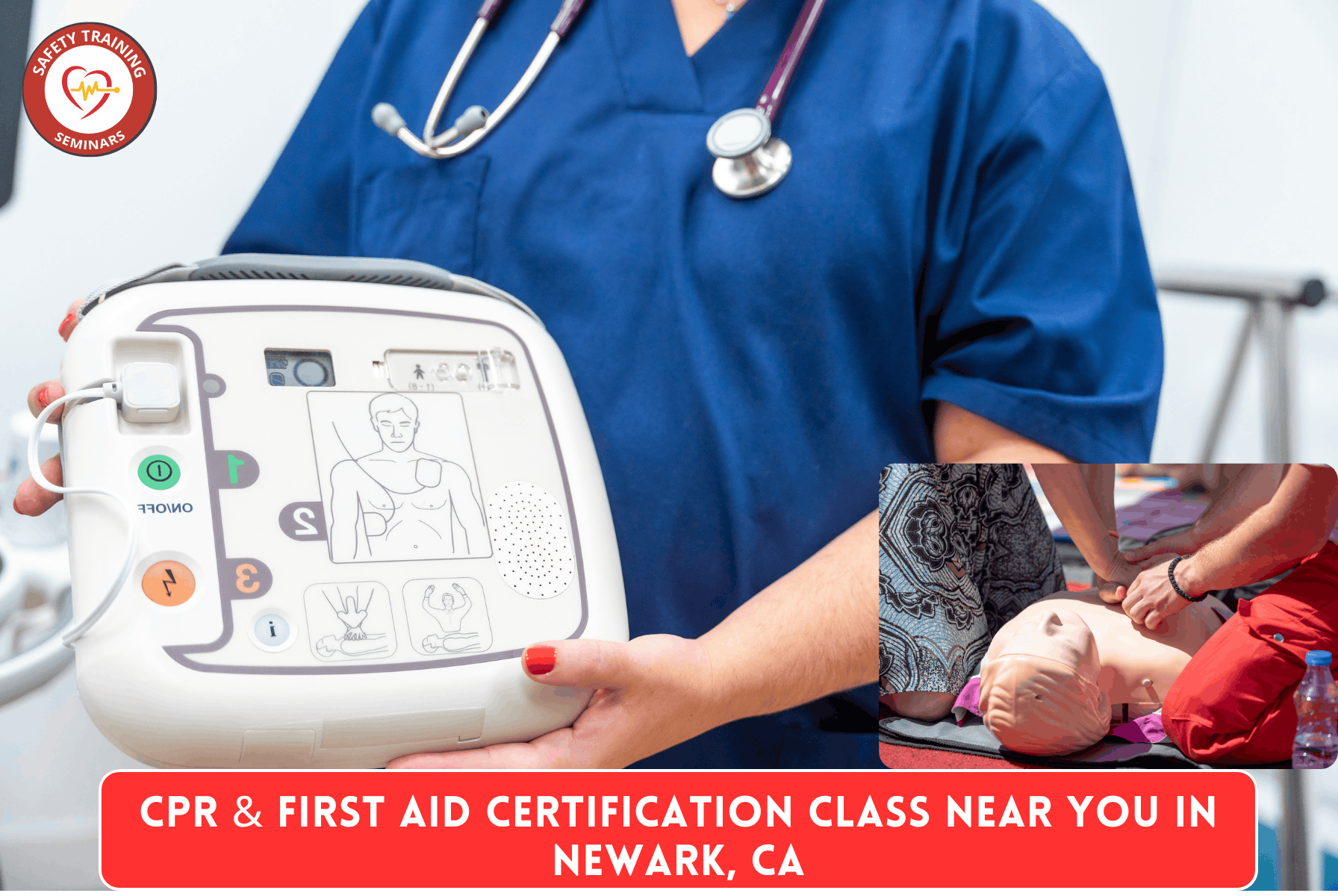
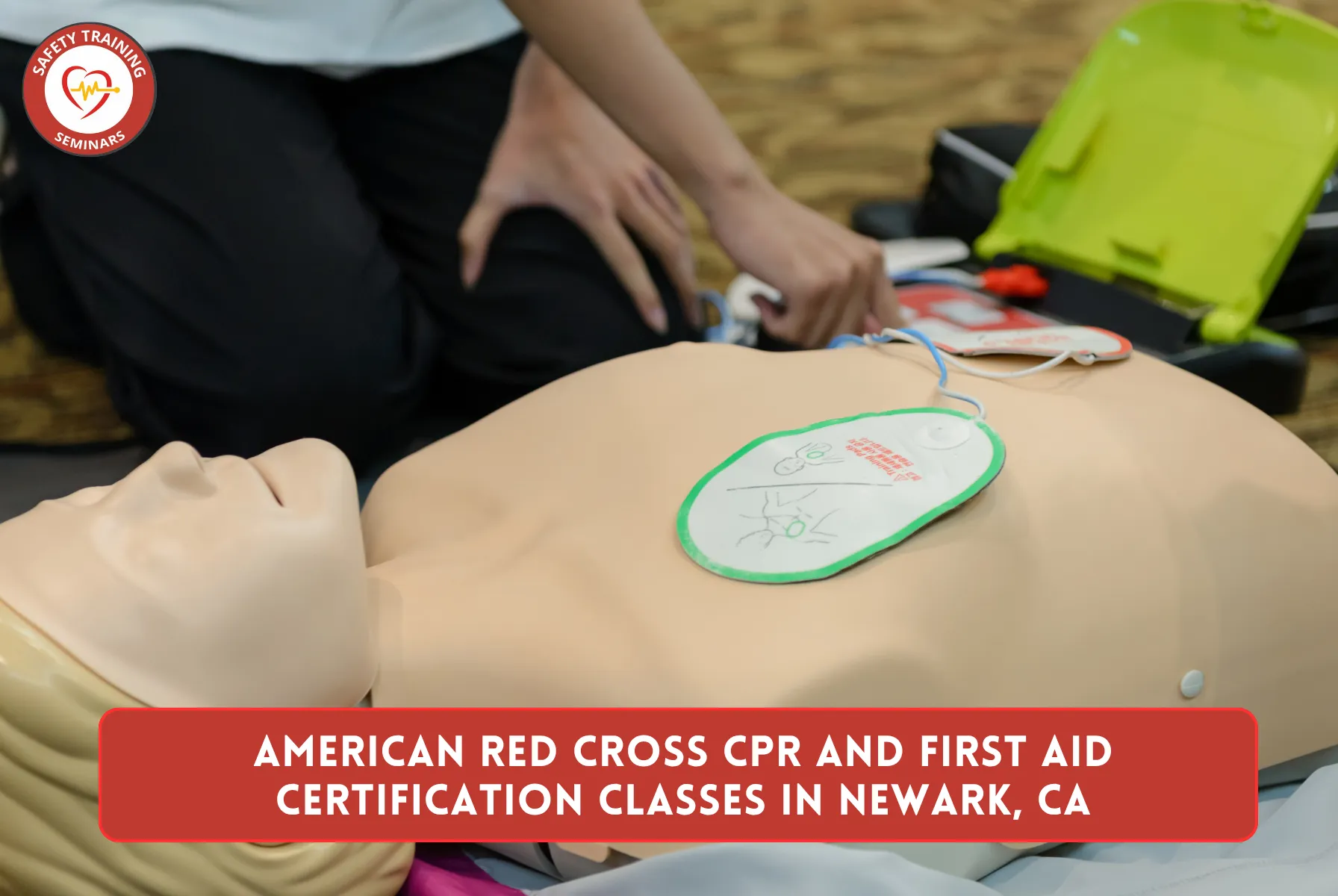
Early defibrillation significantly improves survival rates in shockable cardiac rhythms such as ventricular fibrillation and pulseless ventricular tachycardia. Training covers proper pad placement for adults and pediatric patients, rhythm analysis safety checks, and immediate resumption of chest compressions directly after shock delivery.
Foreign-Body Airway Obstruction
Clinicians review age-specific interventions for severe choking, including abdominal thrusts for responsive adults and children, back slaps and chest thrusts for responsive infants, and transitioning directly into CPR protocols if a choking patient becomes unresponsive.
Multi-Rescuer Team Dynamics
In a clinical environment, resuscitation is rarely a solo effort. BLS training emphasizes closed-loop communication, clear role assignment (compressor, airway manager, AED operator, team leader), and seamless position switching every two minutes (or five cycles of CPR) to prevent rescuer fatigue from degrading compression quality.
BLS Certification vs. BLS Renewal: Choosing the Right Pathway
Healthcare professionals searching for BLS classes near Newark generally fall into one of two categories: those taking the course for the first time and those updating existing training. While both pathways cover identical clinical guidelines, their instructional pacing and eligibility considerations differ.
| Feature | Initial BLS Provider Training | BLS Renewal Course |
| Target Audience | Nursing students, new clinical hires, medical assistants, and professionals entering patient care without current BLS training. | Practicing nurses, physicians, EMTs, dentists, and allied health staff with current or recently active BLS training. |
| Instructional Focus | Step-by-step foundational instruction, guided demonstrations, and progressive hands-on practice across all age groups. | Focused skills review, guideline updates, clinical scenario integration, and rapid psychomotor verification. |
| Prerequisite Status | No prior healthcare resuscitation training required. | Designed for learners who already possess baseline familiarity with AHA BLS algorithms and terminology. |
| Outcome Documentation | Official AHA BLS Provider Course Completion eCard upon meeting all cognitive and hands-on skills requirements. | Official AHA BLS Provider Course Completion eCard upon meeting all cognitive and hands-on skills requirements. |
Considerations for Initial BLS Learners
Individuals entering clinical training programs or transitioning into patient-facing healthcare roles benefit from comprehensive initial instruction. Taking time to build proper hand placement, ventilation seal technique, and AED sequence familiarity establishes safe habits before stepping onto a hospital floor or clinic exam room.
Considerations for BLS Renewal Candidates
Clinicians who are looking for BLS renewal classes in the Newark area should check the issuance date on their current AHA Course Completion eCard to ensure that it is issued well in advance of the month in which it will expire. The suggested renewal cycle for standard AHA BLS Provider eCards ranges from two years to three years. It is important to schedule renewal training well in advance of the expiration date in order to avoid administrative holds on clinical shifts. This is because hospital human resources departments and licensing boards frequently enforce stringent deadlines without grace periods. In the event that a learner’s card has expired, they should always verify with their training provider and employer whether or not they are required to retake the entire initial course.
BLS vs. General-Public CPR: Understanding the Clinical Distinction
Choosing the wrong CPR course is a common pitfall for healthcare workers and students. While general-public CPR courses (such as AHA Heartsaver® CPR AED) provide valuable lifesaving skills for workplace safety teams, teachers, and parents, they do not satisfy healthcare-provider requirements.
- Pulse Checks: General-public courses typically instruct rescuers to check only for responsiveness and normal breathing before starting compressions. Healthcare-provider BLS requires a simultaneous pulse and breathing check.
- Rescue Breathing Equipment: Layperson training emphasizes hands-only CPR or simple face shields, whereas BLS trains clinicians on two-rescuer bag-mask ventilation and pocket mask techniques.
- Team Resuscitation: BLS specifically evaluates multi-rescuer coordination and role switching, reflecting the reality of clinical code responses.
- Institutional Acceptance: Hospitals, outpatient surgical centers, and nursing schools almost universally mandate healthcare-provider BLS rather than general-public CPR.
Local BLS Training Options in Newark, CA
Healthcare providers in Newark and surrounding East Bay communities can access local training through Safety Training Seminars, located at:
Safety Training Seminars — Newark CPR Training Center
8407 Central Ave, Suite 2034, Newark, CA 94560
In order to accommodate the needs of busy medical professionals, nursing students, and clinical staff, Safety Training Seminars offers Basic Life Support Provider training from the American Heart Association. Clinicians are able to complete the cognitive portion of the exam online at their own pace and demonstrate hands-on chest compression and ventilation skills using real-time audio-visual feedback equipment. This is made possible by modern learning options, such as the American Heart Association’s HeartCode® Complete blended learning, which is paired with an on-site CPR Verification StationTM that utilizes Self-Guided LearningTM technology.
Learners are awarded an official American Heart Association Basic Life Support Provider Course Completion eCard once they fulfill all of the course criteria successfully. It is important to note that an American Heart Association Course Completion eCard serves as evidence that the resuscitation course has been successfully completed. This eCard is not the same as a state medical or nursing license, and it does not guaranty universal acceptance across all employers without first examining specific organizational standards.
To view current course formats, availability, and registration details, visit the BLS certification course near Newark page.
Frequently Asked Questions About BLS Training Near Newark
Who needs to take an AHA BLS Provider course?
An AHA BLS Provider course is designed for healthcare professionals and students in clinical training programs whose duties involve direct patient care. This includes registered nurses, licensed vocational nurses, physicians, dentists, dental hygienists, medical assistants, EMTs, paramedics, pharmacists, physical therapists, and nursing or allied health students.
How do I know if I qualify for a BLS renewal class instead of an initial course?
BLS renewal options are intended for healthcare providers who already hold a current AHA BLS Provider Course Completion eCard and are familiar with healthcare resuscitation protocols. If your card has been expired for an extended period or you have never completed a healthcare-provider BLS course, check with your training provider and employer to determine whether an initial course is appropriate.
What is the difference between a BLS Course Completion eCard and a professional license?
An AHA Course Completion eCard is official documentation confirming that you successfully passed the cognitive and hands-on skills evaluations for the AHA BLS Provider course. A professional license (such as an RN, MD, or DDS license) is issued by a California state regulatory board authorizing you to practice your profession. Employers typically require both an active state license and a current BLS eCard.
Does completing a BLS course automatically satisfy every healthcare employer’s requirements?
While American Heart Association BLS Provider training is the widely recognized standard across hospitals, clinics, and academic programs, individual employers and nursing schools establish their own credentialing rules. Always confirm with your hospital’s education department, human resources team, or academic clinical coordinator before enrolling.
How does blended learning with a CPR Verification Station™ work?
Blended learning splits the course into two parts: an online cognitive module (such as AHA HeartCode® Complete) that you complete independently, followed by an in-person hands-on skills session at a CPR Verification Station™. During the skills session, interactive manikins measure compression depth, rate, recoil, and ventilation volume in real time to verify clinical proficiency.
Schedule Your BLS Training in Newark
Your patients will be protected, and your clinical credentials will remain active without interruption, if you stay up to date on the latest resuscitation recommendations. You can browse the available alternatives and secure your position through the Newark training center of Safety Training Seminars, regardless of whether you are getting ready for your first nursing rotation or for the renewal of your Basic Life Support certification.